South Africa · June 14, 2026
Wildlife Volunteering.
South Africa.
An Ethics-First Comparison.
A practical guide comparing 22 programmes across field conservation, marine research, wildlife rehabilitation, and sanctuary care
South Africa has a huge volunteer market: true conservation monitoring, reserve maintenance, penguin rehabilitation, shark and marine research, wildlife sanctuaries, primate rescue centres, big-cat facilities, community education projects, and large international placement agencies. That variety is exciting, but it also makes the choice risky. A student can easily pay for a programme that looks like conservation on Instagram but is mostly tourism, animal handling, or reserve labour.
This guide compares the most visible and researchable wildlife volunteering options in South Africa as of 14 June 2026. It is written for a student coming from overseas who wants useful experience, a safe and ethical placement, and a realistic understanding of what each programme offers.
Scope note: “All places” is difficult because many reserves, NGOs, and sanctuaries take volunteers informally or only through agents. This guide includes the major public-facing programmes and organisations I could validate through official websites, independent review platforms, and Instagram/social presence. It favours programmes with clear public information, field relevance, review history, and traceable conservation or animal-welfare purpose.
Fast recommendation
For most students, the strongest options are:
| Student goal | Best-fit programmes |
|---|---|
| Serious endangered-species field monitoring | Wildlife ACT, GVI Karongwe, Siyafunda, African Impact Big 5 |
| Reserve life plus conservation and community work | Kariega Foundation, Shamwari Conservation Experience |
| Marine biology / shark / seabird experience | Oceans Research, Marine Dynamics Academy, SANCCOB, APSS / Dyer Island Conservation Trust |
| Penguin and seabird rehabilitation | SANCCOB, APSS |
| Wildlife rehabilitation / husbandry | Moholoholo, Tenikwa, DAKTARI, Vervet Monkey Foundation, C.A.R.E. Baboon Sanctuary |
| Community education plus animals | DAKTARI, Kariega Foundation |
| Big-cat sanctuary experience | Panthera Africa — but only if the student understands this is sanctuary care, not wild field conservation |
| Best “CV-building” options for conservation students | Wildlife ACT, GVI, Oceans Research, SANCCOB, Kariega, Siyafunda |
If the student wants the closest thing to practical ranger-style conservation work, start with Wildlife ACT, GVI Karongwe, Siyafunda, African Impact Big 5, Kariega, or Shamwari.
If the student wants animal-care experience, look at SANCCOB, APSS, Moholoholo, VMF, C.A.R.E., or DAKTARI.
If the student wants “touching lions, walking cheetahs, cub photos, elephant rides, or predator selfies,” do not book that experience.
Ethical filter: how to avoid bad voluntourism
Before comparing programmes, use this filter. A programme should be able to answer these questions clearly.
Green flags
- The work is linked to monitoring, research, rehabilitation, education, reserve management, habitat work, or community conservation.
- Volunteers are supervised by qualified staff.
- The organisation explains how volunteer fees support conservation, animal care, staff, equipment, food, vehicles, or operations.
- Wild animals remain wild; captive animals are there because of rescue, injury, rehabilitation, or lifelong sanctuary need.
- The programme is honest that students may do basic work: cleaning, data entry, early mornings, maintenance, food prep, camera-trap sorting, alien plant removal, or observation.
Red flags
- Lion cub petting, bottle-feeding large carnivores, walking with big cats, predator selfies, elephant riding, or performing animals.
- Claims that captive lion cubs will be released into the wild.
- Breeding predators for tourism, trade, or vague “conservation”.
- No named reserve, no project partner, no explanation of data collection, or no local staff leadership.
- The Instagram feed is mostly glamorous selfies and animal contact, with little fieldwork, education, research, or local impact.
The SATSA captive wildlife decision tree flags tactile interactions with infant wild animals, predators, cetaceans, walking with predators or elephants, riding wild animals, performing animals, breeding, trade, and unclear sanctuary status as major issues. South African Tourism has also publicly stated that it does not promote or endorse wild-animal interaction experiences such as petting wild cats, interacting with elephants, or walking with lions and cheetahs.
Comparison table
| Programme / organisation | Main type | Location | Typical fit | Minimum stay / age | Review signal | Instagram / social signal | Ethical note |
|---|---|---|---|---|---|---|---|
| Wildlife ACT | Endangered species monitoring | Zululand, KwaZulu-Natal; multiple reserves | Best overall for real field conservation | 18–70+, 2 weeks+ | Go Overseas: 4.88 / 40 reviews; strong alumni interviews | @wildlife_act | Strong: small groups, WWF-linked, no animal handling focus |
| GVI Wildlife Research Expedition | Structured research volunteering | Karongwe / Limpopo, near Kruger | Student wanting structure, training, support | 1–12 weeks; staff ratio listed | Go Overseas: 4.86 / 50 reviews | @gvitravel | Good for structured gap-year style; check project partner and data outputs |
| African Impact Big 5 Wildlife Conservation | Reserve monitoring and conservation | Greater Kruger | Student wanting Big 5 field exposure | 2 weeks+; seasonal availability shown | GoAbroad reviews positive; GoAbroad review highlights research and staff | @africanimpact | Solid field option; also an agency/operator, so confirm reserve and task schedule |
| Siyafunda Wildlife & Conservation | Wildlife monitoring / reserve support | Limpopo / Makalali area | More rugged bush monitoring | Programme details less polished online | TripAdvisor reviews mention professional, safety-focused staff | @siyafundawildlife | Promising direct field focus; verify dates, price, insurance, and accommodation |
| Shamwari Conservation Experience | Reserve conservation + maintenance + education | Eastern Cape | Student wanting reputable reserve and Big 5 exposure | Min. 2 weeks often marketed | WorkingAbroad reviews: 4.9 / 17 reviews | @shamwariprivategamereserve; @teamshamwari | Reputable reserve; some tasks are maintenance and education, not only wildlife monitoring |
| Kariega Foundation Volunteer Programme | Conservation + community | Eastern Cape | Best for mixed reserve/community experience | 2 weeks common; weekly schedule public | WorkingAbroad reviews very positive; Kariega posts testimonials | @kariegavolunteers, @kariega_foundation | Strong if student wants people + wildlife; not pure field research |
| SANCCOB | Seabird rescue and rehabilitation | Cape Town or Gqeberha | Best penguin/seabird rehab | 18+, minimum 6 weeks | External testimonials positive | @sanccob | Strong conservation-care option; hard work, cleaning, feeding, rehab routines |
| African Penguin & Seabird Sanctuary / Dyer Island Conservation Trust | Seabird rehabilitation / marine conservation | Gansbaai / Kleinbaai | Penguin/seabird and Dyer Island ecosystem | Check directly | TripAdvisor APSS reviews positive | @apssza, @dyerict | Good specialist seabird option; clarify whether applying via APSS, DICT, or Marine Dynamics |
| Marine Dynamics Academy | Marine volunteer / internship | Gansbaai | Marine Big 5, shark tourism/research support | Check course; volunteer/internship options | Go Overseas Marine Dynamics reviews positive but some old | @marinedynamics, @dyerict | Good for marine exposure; tourism operations are part of the model |
| Oceans Research | Marine field research | Mossel Bay | Strongest shark/marine research CV option | VolunteerWorld lists 4–12 weeks, 18+ | VolunteerWorld: 4.9 / 20 reviews | @oceansresearch | Strong research positioning; good for marine biology students |
| DAKTARI Bush School & Wildlife Orphanage | Environmental education + animal care | Hoedspruit / Limpopo | Community education + wildlife orphanage | Check directly | Go Overseas and VolunteerWorld reviews positive | @daktaribushschool | Strong people-and-wildlife focus; less reserve research |
| Moholoholo Wildlife Rehabilitation Centre | Wildlife rescue, rehab, education | Hoedspruit | Hands-on rehab / animal-care learning | Minimum 2 weeks stated | TripAdvisor volunteer reviews positive | Moholoholo Instagram/social present; verify current handle | Rehab centre; good for animal care, but clarify contact rules and release pathways |
| Vervet Monkey Foundation | Primate rehabilitation / sanctuary | Tzaneen, Limpopo | Primate care and sanctuary operations | 4+ weeks for longer stays; short stays possible | Go Overseas / VolunteerWorld positive | @vervetmonkeyfoundation | Good direct charity option; vegan meals; labour-intensive sanctuary work |
| C.A.R.E. Baboon Sanctuary | Baboon rescue, rehab, release | Phalaborwa / Limpopo | Primate rehabilitation | Check directly | VolunteerWorld reviews mixed-positive | @primate_care | Valuable if student specifically wants primates; physically and emotionally demanding |
| International Primate Rescue | Primate sanctuary | Pretoria / Gauteng | Primate care near city | Check directly | VolunteerWorld and TripAdvisor reviews | @international_primate_rescue | More sanctuary than field conservation; ask about welfare policies and daily duties |
| Free To Be Wild Sanctuary | Wildlife rescue and sanctuary | KwaZulu-Natal area | Broad animal care / sanctuary work | Check directly | Own volunteer stories and social proof | @freetobewildsanctuary | Needs direct due diligence; good candidate if rehabilitation and release evidence is clear |
| Tenikwa Wildlife Rehabilitation & Awareness Centre | Wildlife rehab / awareness / tours | Plettenberg Bay, Garden Route | Shorter stay, rehab/tourism exposure | Accommodation/tours public; volunteer details via partners | TripAdvisor review mentions volunteering positively | @tenikwa_wildlife | Captive-wildlife/tourism setting; verify no harmful interactions and actual rehab role |
| Panthera Africa Big Cat Sanctuary | Big-cat sanctuary care | Stanford, Western Cape | Big-cat sanctuary, not wild conservation | Check direct availability | VolunteerWorld and TripAdvisor volunteer reviews | @pantheraafricasanctuary | Better than cub-petting if true sanctuary rules apply; still captive big cats, not field conservation |
| Cheetah Outreach | Education and ambassador cheetah programme | Somerset West / Cape Town area | Public education / facility work | Low/no-cost options listed | Reviews mostly visitor-focused | @cheetahoutreach.za | Includes public animal encounters; use high caution if student prioritises strict no-interaction ethics |
| Hoedspruit Endangered Species Centre (HESC) | Cheetah/rhino conservation, rehab, education | Hoedspruit | Endangered species facility exposure | Check current volunteer route | Reviews mostly visitor/tour focused | @hesc_endangeredspeciescentre | Captive cheetah/rhino facility; ask detailed welfare and breeding questions |
| Cheetah Experience | Captive cheetah/big-cat volunteer/internship | Free State | Big-cat facility experience | Volunteer/internship options public | Reviews mixed across web; mostly facility-focused | Check current handle | High due diligence required because captive big-cat volunteering is an ethical minefield |
| African Conservation Experience (ACE) | Placement provider, not one project | South Africa + wider southern Africa | Students needing guided placement advice | 1–12 weeks for many projects | Go Overseas / VolunteerForever positive | @africanconservationexperience | Strong broker if they place with reputable partners; still verify exact project |
| IVHQ / GoEco / VolunteerWorld / WorkingAbroad / Pod Volunteer / The Great Projects | Booking platforms / agencies | Multiple | Easier logistics, packaged trips | Varies by listed project | Many platform reviews | Platform-specific accounts | Useful for comparison and support, but always identify the actual host project |
Detailed profiles
1. Wildlife ACT
Best for: a student who wants the most field-relevant endangered-species monitoring experience.
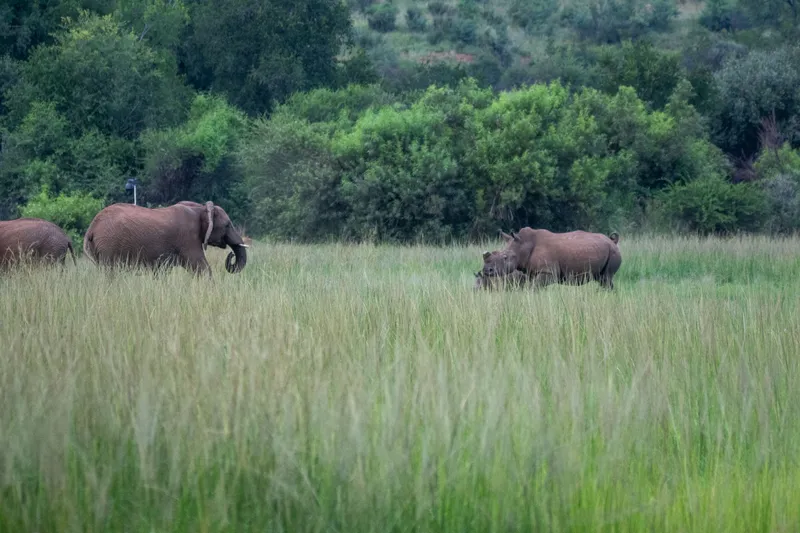
Wildlife ACT is one of the strongest fits for a serious conservation student. It is not a general voluntourism agency; it is focused on endangered and priority species monitoring across multiple protected areas in Zululand. The official programme states that volunteers join small teams of up to six, work in private, community-owned and government-managed reserves, and help monitor species such as African wild dog, cheetah, black rhino, vultures, elephants, white rhino, hyena, and leopard.
Why it stands out
- Strong field-monitoring model.
- Small volunteer groups.
- Clear species focus.
- Multiple reserves, including Hluhluwe-iMfolozi and Manyoni.
- Good review signal: Go Overseas lists 4.88 from 40 reviews.
- Strong ethical positioning against animal-contact voluntourism.
Student fit
Choose Wildlife ACT if the student wants early starts, telemetry, GPS, behaviour notes, species ID, data collection, and a more ranger-like experience. It is less suitable for someone who mainly wants animal cuddling, predictable safari-style viewing, or city comfort.
Review signal
Go Overseas reviews are strong and include alumni interviews. Reviewers repeatedly frame the work as real conservation, learning from staff, and being in the bush rather than simply touring.
@wildlife_act- Useful to check: monitoring posts, wild dog/rhino/vulture work, field monitors, and whether content is fieldwork-heavy rather than selfie-heavy.
Sources
- Official: https://www.wildlifeact.com/
- Volunteer programme: https://www.wildlifeact.com/volunteer/program/endangered-species-conservation-south-africa
- Why volunteer: https://www.wildlifeact.com/why-volunteer
- Reviews: https://www.gooverseas.com/volunteer-abroad/south-africa/wildlife-act/21946
- Instagram: https://www.instagram.com/wildlife_act/
2. GVI Wildlife Research Expedition, South Africa
Best for: a student who wants structured support, a known international provider, and a research-oriented bushveld placement.
GVI’s South Africa wildlife research programme is based around wildlife and conservation research in the bushveld near Kruger, with official materials listing 1–12 week durations, 35 fieldwork hours per week, and a 1:6 staff-to-participant ratio.
Why it stands out
- Good support structure for first-time international students.
- Clear schedule and training model.
- Strong review signal on Go Overseas.
- Good option for students who want a managed experience rather than arranging everything directly.
Student fit
Choose GVI if the student is nervous about travelling alone or wants a polished programme with clear arrival support. It may feel more “international volunteer programme” than “local conservation NGO,” so the student should ask exactly what data is collected, who uses it, and how it supports reserve management.
Review signal
Go Overseas lists GVI South Africa wildlife volunteering at 4.86 from 50 reviews, with a review summary praising knowledgeable staff and immersive wildlife/community experiences.
@gvitravel- Useful to check: Karongwe/Limpopo posts, staff-to-student activity, and whether alumni posts show actual data collection rather than only safari shots.
Sources
- Official programme: https://www.gvi.ie/programs/wildlife-research-south-africa-expedition/
- GVI South Africa overview: https://www.gvi.ie/volunteer-in-south-africa/
- Reviews: https://www.gooverseas.com/volunteer-abroad/south-africa/global-vision-international/52250
- Instagram: https://www.instagram.com/gvitravel/
3. African Impact Big 5 Wildlife Conservation
Best for: a student who wants Greater Kruger, Big 5 exposure, structured learning, and conservation tasks.
African Impact’s Big 5 project is based in the Greater Kruger region. The official programme describes wildlife monitoring, practical conservation work, structured learning, tracking, behaviour interpretation, erosion control, bush clearing, reserve maintenance, and training in species identification and wildlife management. The page listed availability May–October, 2 weeks+, and a price from £1,960 at the time checked.
Why it stands out
- Strong Greater Kruger appeal.
- Balanced field monitoring + habitat work.
- Good for students who want social volunteer life and structured activities.
- Public pricing and project description are clear.
Student fit
Good for a student who wants Big 5 exposure and a guided, social placement. The student should understand that not every day will be dramatic wildlife work; reserve maintenance and practical labour are part of conservation.
Review signal
GoAbroad includes positive reviews, including a 2024 reviewer who said the guides were knowledgeable and that contributing to research and conservation work felt meaningful.
@africanimpact- Useful to check: fieldwork reels, Greater Kruger base, photography internship posts, and tagged alumni.
Sources
- Official: https://africanimpact.com/volunteer-projects/wildlife-conservation/african-big-5-wildlife-conservation/
- GoAbroad review page: https://www.goabroad.com/providers/african-impact/programs/african-big-5-wildlife-conservation-project-south-africa-108826
- VolunteerWorld listing/reviews: https://www.volunteerworld.com/en/volunteer-program/field-research-and-wildlife-internship-in-south-africa-hoedspruit
- Instagram: https://www.instagram.com/africanimpact/
4. Siyafunda Wildlife & Conservation
Best for: a student who wants a more rugged, reserve-based wildlife monitoring project.
Siyafunda’s official site describes wildlife monitoring and sustainable support for game reserves, research, conservation projects, researchers, interns, educational affiliations, and local communities. Review snippets from TripAdvisor praise the team as friendly, knowledgeable, professional, and safety-focused.
Why it stands out
- More direct “bush monitoring” feel.
- Stronger fit for students comfortable with less polished online infrastructure.
- Good for those who want to live in a reserve environment and learn from guides/monitors.
Student fit
Good for self-motivated students who want field exposure and are comfortable asking detailed logistical questions before booking.
Questions to ask
- Which reserve will I be based on?
- What species are being monitored this season?
- What exact data do volunteers collect?
- What is the vehicle/walking split?
- Who receives the data?
- What are emergency procedures?
@siyafundawildlife
Sources
- Official: https://www.siyafundaconservation.com/
- TripAdvisor: https://www.tripadvisor.co.za/Attraction_Review-g312616-d5062609-Reviews-Siyafunda_Wildlife_Conservation-Hoedspruit_Kruger_National_Park.html
- VolunteerWorld listing: https://www.volunteerworld.com/en/volunteer-program/assistant-at-siyafunda-game-reserve-in-south-africa-hoedspruit
- Instagram: https://www.instagram.com/siyafundawildlife/
5. Shamwari Conservation Experience
Best for: a student who wants a reputable Eastern Cape reserve, Big 5 exposure, structured conservation tasks, and some community/education work.
Shamwari is a well-known private game reserve in the Eastern Cape. Its Conservation Experience markets behind-the-scenes work in a free-roaming Big Five reserve. Third-party review pages describe a varied programme: maintenance, alien plant clearing, monitoring elephant herds, identifying lions and rhinos, and participating in night patrols.
Why it stands out
- Established, high-profile reserve.
- Good accommodation and logistics by review reputation.
- Strong for first-time South Africa visitors.
- Good mix of fieldwork, maintenance, and education.
Student fit
Choose Shamwari if the student wants a safer, more structured, polished reserve experience. It may be less specialised than Wildlife ACT for endangered-species monitoring but broader and easier for a first-time student.
Review signal
WorkingAbroad lists 4.9/5 from 17 reviews. Reviews praise accommodation, food, hands-on student experience, lectures, and activity variety.
@shamwariprivategamereserve@teamshamwari- Also search the Shamwari Conservation Experience location tag.
Sources
- Official PDF: https://www.shamwari.com/wp-content/uploads/pdf/nAE8Hr307Ti6oAK7BlIGjJZRf81PLA1RqmCGNjqrE1M8Ijw9.pdf
- Reviews: https://www.workingabroad.com/projects/shamwari-game-reserve-conservation-volunteer-programme-south-africa/reviews/
- Instagram: https://www.instagram.com/shamwariprivategamereserve/
- Location tag: https://www.instagram.com/explore/locations/277719255/shamwari-conservation-experience/
6. Kariega Foundation Volunteer Programme
Best for: a student who wants both wildlife conservation and community engagement.
Kariega Foundation’s public programme is unusually clear about the mix: each week includes 3 days conservation work and 2 days community engagement. During two weeks, volunteers do 6 days on Kariega Game Reserve and 4 days of community work. Conservation projects include predator/prey monitoring, anti-poaching and rhino monitoring, endangered and priority species tracking, bird research, and elephant research.
Why it stands out
- Strong balance of conservation and community.
- Good for students who understand conservation includes people.
- Clear schedule.
- Strong Eastern Cape location.
Student fit
Best for students interested in sustainable conservation, community education, reserve support, and not just animals. It may not suit a student who wants pure wildlife research every day.
Review signal
WorkingAbroad reviews are positive; one reviewer described feeling welcomed and called it a life-changing first South Africa experience. Kariega also publishes volunteer testimonials.
@kariegavolunteers@kariega_foundation
Sources
- Official: https://kariegafoundation.com/volunteer
- Foundation: https://kariegafoundation.com/
- Testimonials: https://www.kariega.co.za/blog/volunteer-testimonials-november-2024-february-2025
- Reviews: https://www.workingabroad.com/projects/kariega-big-five-game-reserve-volunteer-programme-south-africa/reviews/
- Instagram: https://www.instagram.com/kariegavolunteers/
- Instagram: https://www.instagram.com/kariega_foundation/
7. SANCCOB
Best for: a student who wants real animal-care experience with endangered African penguins and seabirds.
SANCCOB is one of the clearest choices for students interested in wildlife rehabilitation rather than safari reserve work. The official international volunteer programme offers hands-on experience with endangered African penguins and other seabirds at centres in Cape Town or Gqeberha. Requirements include age 18+, no prior experience, a minimum of 6 weeks, and year-round placements.
Why it stands out
- Long-standing, specialist seabird organisation.
- Strong conservation purpose.
- Real rehabilitation work.
- Clear age and minimum stay.
- Cape Town or Gqeberha bases are easier than remote bush camps.
Student fit
Best for students considering veterinary nursing, animal care, marine biology, seabird conservation, wildlife rehabilitation, or NGO work. Expect cleaning, food prep, laundry, feeding support, and repetitive care routines — not glamorous wildlife tourism.
Review signal
External stories and Instagram posts frame it as meaningful, hands-on seabird care. SANCCOB has a visible public reputation and strong African penguin conservation relevance.
@sanccob
Sources
- Official volunteer page: https://sanccob.co.za/volunteer/
- Instagram: https://www.instagram.com/sanccob/
- External volunteer story: https://www.ourbetterworld.org/blog/volunteering-south-africa-sanccob-life-changing-experience
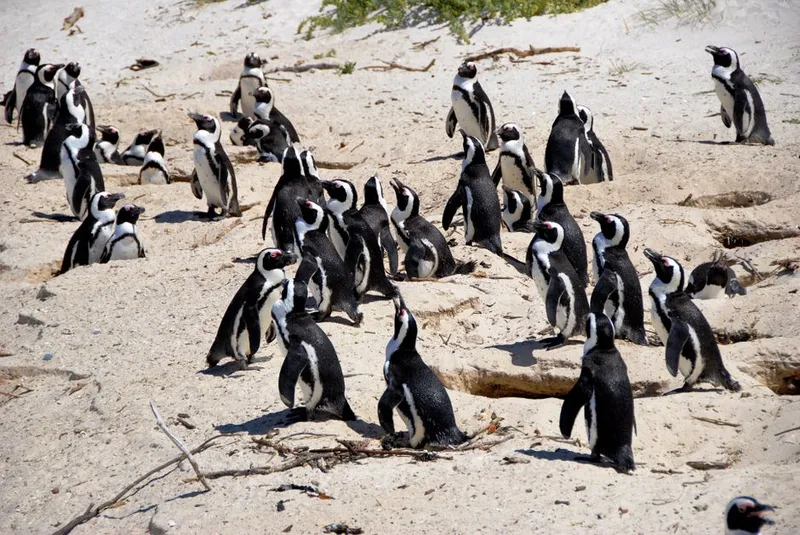
8. African Penguin & Seabird Sanctuary / Dyer Island Conservation Trust
Best for: a student interested in African penguins, seabirds, marine ecosystems, and Gansbaai-area conservation.
The African Penguin & Seabird Sanctuary is linked to the Dyer Island ecosystem, with social channels showing seabird rehabilitation and volunteer support. It is a good fit for a student who wants seabird work but prefers the Gansbaai / Dyer Island ecosystem rather than SANCCOB’s Cape Town or Gqeberha centres.
Why it stands out
- Specialist seabird rehabilitation.
- Strong connection to Dyer Island marine conservation.
- Good add-on or alternative to Marine Dynamics Academy.
Student fit
Good for marine students, animal-care students, and anyone interested in African penguin conservation. Clarify whether the placement is directly with APSS/DICT or through a partner/agency.
@apssza@dyerict
Sources
- APSS TripAdvisor: https://www.tripadvisor.com/Attraction_Review-g472522-d8722241-Reviews-African_Penguin_Seabird_Sanctuary-Gansbaai_Overstrand_Overberg_District_Western_C.html
- Instagram: https://www.instagram.com/apssza/
- Dyer Island Conservation Trust Instagram: https://www.instagram.com/dyerict/
9. Marine Dynamics Academy
Best for: a student who wants marine volunteering with sharks, whales, seabirds, boats, ecotourism, and the Marine Big 5.
Marine Dynamics Academy is based in Gansbaai and offers marine volunteer and internship pathways. Their official academy page says the goal is to help future marine ambassadors through skills-based training, specialist training, and learning from ocean experts. The marine volunteer page describes sea-based work across vessels, including shark cage diving, pelagic bird watching, whale watching, and marine research.
Why it stands out
- Strong marine identity.
- Good if student wants ocean exposure rather than bush.
- Links to Dyer Island Conservation Trust and APSS ecosystem.
- Strong social media and tourism infrastructure.
Student fit
Best for students interested in marine conservation, ecotourism, sharks, boats, seabirds, and public education. Because ecotourism is part of the model, a student should ask what percentage of time is research, tourism support, APSS support, data entry, and boat work.
@marinedynamics@dyerict@apssza
Sources
- Official Marine Dynamics: https://www.marinedynamics.co.za/
- Academy: https://marinedynamics.org/academy/
- Marine volunteers: https://marinedynamics.org/academy/training/marine-volunteers/
- Sharkwatch volunteer programmes: https://sharkwatchsa.com/volunteer-programs/
- Instagram: https://www.instagram.com/marinedynamics/
10. Oceans Research
Best for: a student who wants the strongest marine research CV signal.
Oceans Research is based in Mossel Bay and describes its purpose around research, discovery, education, and conservation. It exposes students and volunteers to species such as white sharks, Cape fur seals, bottlenose dolphins, and humpback dolphins, and VolunteerWorld lists logistics including vessels, acoustic tracking equipment, accelerometers and tags, SCUBA equipment, shark cage, aquarium lab, and research facilities.
Why it stands out
- Strong research positioning.
- Good for marine biology students.
- VolunteerWorld shows 4.9 from 20 reviews and $937/week for 4–12 weeks at time checked.
- Reviews mention seamanship, data entry, species ID, mammal tracking, and shark population dynamics.
Student fit
Best for a student who wants skills relevant to marine research, not just an ocean adventure. It may be more expensive than some options but has strong career relevance.
@oceansresearch
Sources
- Official: https://www.oceans-research.com/
- VolunteerWorld reviews/listing: https://www.volunteerworld.com/en/review/oceans-research-institute
- Instagram: https://www.instagram.com/oceansresearch/
11. DAKTARI Bush School & Wildlife Orphanage
Best for: a student who wants both environmental education and animal care.
DAKTARI is a Bush School and Wildlife Orphanage near Hoedspruit. Its public materials emphasise teaching local children about wildlife and the environment, caring for injured/orphaned animals, and working with local communities. Review stories describe students who may never have seen wild animals before learning about injured animals, wildlife care, and environmental responsibility.
Why it stands out
- Combines community education and wildlife.
- Good for students considering teaching, NGO work, conservation education, or community-based conservation.
- Good social atmosphere by review signal.
Student fit
Choose DAKTARI if the student wants to work with people and animals. Do not choose it if the student wants pure reserve monitoring or predator telemetry.
Review signal
Go Overseas and VolunteerWorld reviews are positive. A VolunteerWorld 2026 review described feeling welcomed, supported, and included, and praised the students’ warmth and curiosity.
@daktaribushschool
Sources
- Official: https://daktaribushschool.org/
- Review/story: https://daktaribushschool.org/mobotse-review-jennyfer/
- Go Overseas reviews: https://www.gooverseas.com/organization/daktari-bush-school-wildlife-orphanage-reviews
- VolunteerWorld reviews: https://www.volunteerworld.com/en/review/daktari-bush-school
- Instagram: https://www.instagram.com/daktaribushschool/
12. Moholoholo Wildlife Rehabilitation Centre
Best for: a student who wants wildlife rescue, rehabilitation, husbandry, and unpredictable animal-care work.
Moholoholo’s volunteer programme describes dynamic, hands-on conservation work, rescue call-outs, rehabilitation of orphaned animals, and work with experienced conservationists. The official page states a minimum stay of two weeks.
Why it stands out
- Long-established Hoedspruit rehabilitation centre.
- Good for students interested in wildlife rehab, veterinary support, raptors, mammals, and education.
- Stronger animal-care experience than reserve monitoring.
Student fit
Best for animal-care or pre-vet students who are comfortable with cleaning, feeding, enclosure work, emotional cases, and sometimes seeing animals that cannot be released.
Review signal
TripAdvisor includes volunteer reviews such as a two-week volunteer describing the experience positively and noting animal interaction. Because interaction can be ethically complicated, students should distinguish between necessary husbandry/rehab work and tourist handling.
- Verify current Moholoholo official handle before booking.
Sources
- Official: https://www.moholoholo.co.za/
- Volunteer programme: https://www.moholoholo.co.za/facility/student-program/
- TripAdvisor volunteer review: https://www.tripadvisor.com/ShowUserReviews-g312616-d2284630-r118983173-Moholoholo_Wildlife_Rehabilitation_Centre-Hoedspruit_Kruger_National_Park.html
13. Vervet Monkey Foundation
Best for: a student who wants direct primate rescue, sanctuary, and rehabilitation experience.
The Vervet Monkey Foundation’s volunteer page is unusually direct: it says volunteering directly means 100% of the contribution goes into the operating budget, and tasks include working with monkeys, building/painting, preparing food, cleaning bottles and bowls, monitoring monkeys, sickbay work, building new enclosures, invader plant clearing, and other sanctuary tasks. It also states volunteers eat vegan meals.
Why it stands out
- Direct charity/sanctuary route.
- Strong practical animal-care workload.
- Good for students interested in primates, animal welfare, vegan/ethical living, and sanctuary operations.
- Short and long stays are possible, with longer stays usually 4+ weeks.
Student fit
Good for self-motivated students who do not mind physical work and simple living. It is not a safari or Big 5 reserve experience.
Review signal
VolunteerWorld and Go Overseas have positive listings/reviews for VMF. Reviews often focus on the monkey-care experience and sanctuary community.
@vervetmonkeyfoundation
Sources
- Official volunteering: https://vervet.za.org/volunteering/
- Short-term stays: https://vervet.za.org/short-term-volunteers-and-tours/
- Go Overseas listing: https://www.gooverseas.com/volunteer-abroad/south-africa/program/165495
- Instagram: https://www.instagram.com/vervetmonkeyfoundation/
14. C.A.R.E. Baboon Sanctuary
Best for: a student specifically interested in baboons, primate rehabilitation, and sanctuary care.
C.A.R.E. focuses on orphaned baboons and primate rehabilitation/release. VolunteerWorld reviews include strong praise from some volunteers, though also show mixed ratings. The Instagram account emphasises rescue, rehabilitation, release, and “not pets”.
Why it stands out
- Specialist primate focus.
- Good for a student interested in baboons rather than general wildlife.
- Strong educational value around human-primate conflict.
Student fit
Best for students prepared for emotional, repetitive, physical animal-care work. Ask about release success, volunteer supervision, safety protocols, and how volunteers interact with infant primates.
@primate_care
Sources
- VolunteerWorld reviews: https://www.volunteerworld.com/en/review/c.a.r.e.
- Instagram: https://www.instagram.com/primate_care/
15. International Primate Rescue
Best for: primate sanctuary care near Gauteng/Pretoria.
International Primate Rescue is another primate-focused option. Public listings describe rescued primates and daily volunteer care. It may be more accessible than remote bush placements for students already based in Gauteng.
Why it stands out
- Primate-specific.
- Urban/provincial accessibility.
- Good if student wants sanctuary care without going far into remote bush.
Student fit
A possible fit for animal-care students, but ask carefully about direct contact, enrichment, welfare policies, long-term sanctuary model, and release potential.
@international_primate_rescue
Sources
- VolunteerWorld reviews: https://www.volunteerworld.com/en/review/international-primate-rescue
- TripAdvisor: https://www.tripadvisor.com/Attraction_Review-g312583-d7693451-Reviews-International_Primate_Rescue-Pretoria_Gauteng.html
- Instagram: https://www.instagram.com/international_primate_rescue/
16. Free To Be Wild Sanctuary
Best for: broad wildlife rescue/sanctuary experience if the student verifies the current programme directly.
Free To Be Wild appears as a sanctuary/rescue option with public social presence and volunteer stories. Because the online trail is less standardised than Wildlife ACT, GVI, SANCCOB, or Oceans Research, it should be treated as a promising but “ask more questions first” option.
Why it could be interesting
- Sanctuary/rescue experience.
- Volunteer stories online.
- Good for students who want animal care and are not focused only on Big 5.
Questions to ask
- Are animals released where possible?
- Which species are permanently resident and why?
- Is there public handling?
- What is the volunteer schedule?
- Who supervises animal care?
- What veterinary partners are involved?
@freetobewildsanctuary
Sources
- Volunteer stories: https://freetobewildsanctuary.org/tag/free-to-be-wild-sanctuary/
- Instagram: https://www.instagram.com/freetobewildsanctuary/
17. Tenikwa Wildlife Rehabilitation & Awareness Centre
Best for: Garden Route wildlife awareness and rehabilitation exposure.
Tenikwa is based near Plettenberg Bay and describes itself as a wildlife awareness centre with rehabilitation facilities for injured and abandoned wildlife from the Garden Route. It also offers accommodation, tours, and conservation-based experiences. That makes it more tourism-facing than a purely field-research project.
Why it stands out
- Garden Route location.
- Wildlife rehabilitation and public education.
- Easier logistics than remote reserves.
- Good for students combining travel and shorter wildlife exposure.
Student fit
Better for wildlife education, rehab interest, and tourism/conservation learning than for strict research experience. Students should ask whether there is a volunteer placement, what tasks are available, and whether the role is through Tenikwa directly or a partner.
Review signal
TripAdvisor includes positive volunteer comments, but many reviews are from day visitors.
@tenikwa_wildlife
Sources
- Official: https://tenikwa.com/
- Give & Grow / vet programme listing: https://giveandgrow.world/project/tenikwa-wildlife-rehabilitation-vet-program
- TripAdvisor volunteer review: https://www.tripadvisor.com/ShowUserReviews-g1382495-d1025869-r574189747-Tenikwa_Wildlife_Awareness_Centre-The_Crags_Plettenberg_Bay_Western_Cape.html
- Instagram: https://www.instagram.com/tenikwa_wildlife/
18. Panthera Africa Big Cat Sanctuary
Best for: a student who specifically wants sanctuary care with rescued big cats, not wild conservation.
Panthera Africa markets itself as an ethical big cat sanctuary. Its volunteer page lists daily tasks such as cleaning and maintaining enclosures, food preparation, enrichment, farm work, fence testing, perimeter walking, and educational visits. VolunteerWorld and TripAdvisor show positive volunteer reviews.
Why it stands out
- Big-cat sanctuary experience without claiming to be a wild reserve.
- Good if student wants captive sanctuary care and enrichment.
- Stronger ethical framing than cub-petting facilities if sanctuary claims are followed in practice.
Student fit
Choose only if the student understands the difference between sanctuary care and conservation fieldwork. It will not teach wild predator monitoring in the same way as Wildlife ACT or GVI. Ask about no breeding, no trade, no cub petting, no walking with predators, and no public handling.
@pantheraafricasanctuary
Sources
- Official volunteering: https://pantheraafrica.com/volunteering/
- VolunteerWorld reviews: https://www.volunteerworld.com/en/review/panthera-africa
- TripAdvisor: https://www.tripadvisor.com/Attraction_Review-g1187779-d6902930-Reviews-Panthera_Africa_Big_Cat_Sanctuary-Stanford_Overstrand_Overberg_District_Western_.html
- Instagram: https://www.instagram.com/pantheraafricasanctuary/
19. Cheetah Outreach
Best for: conservation education and facility work near Cape Town — but not for strict no-contact wildlife ethics.
Cheetah Outreach’s volunteer page says volunteers raise awareness, communicate the conservation message to guests, assist with public cheetah and small-animal encounters, prepare food, feed animals, clean enclosures, greet guests, lead tours, and walk dogs.
Why it stands out
- Accessible Cape Town-area location.
- Low/no-cost options for some volunteers.
- Useful for education, public engagement, and facility operations.
- Cheetah conservation messaging and livestock guardian dog work are part of the broader model.
Ethical caution
Because the page explicitly mentions public cheetah and small animal encounters, this is not a fit for students who want strict no-contact wildlife volunteering. Students should ask exactly what “encounters” mean, whether direct contact is involved, and how the programme aligns with South African Tourism/SATSA no-interaction principles.
@cheetahoutreach.za
Sources
- Official: https://cheetah.co.za/become-a-volunteer/
- Instagram: https://www.instagram.com/cheetahoutreach.za/
20. Hoedspruit Endangered Species Centre
Best for: endangered species facility exposure, especially cheetah/rhino education — with due diligence.
HESC states that it focuses on the survival of endangered species through cheetah bloodlines, rhino rehabilitation, education, and research. It is an established Hoedspruit institution, but a student should verify whether the current opportunity is a volunteer placement, internship, tour, or partner placement.
Why it may interest a student
- Well-known Hoedspruit conservation facility.
- Cheetah and rhino focus.
- Educational and rehabilitation language.
Ethical caution
Because it is a captive endangered species centre, the student should ask about breeding, contact, ambassador animals, release pathways, and the exact purpose of volunteer labour.
@hesc_endangeredspeciescentre
Sources
- Official: https://hesc.co.za/
- Instagram: https://www.instagram.com/hesc_endangeredspeciescentre/
21. Cheetah Experience
Best for: only if the student specifically wants captive cheetah/big-cat facility experience and accepts the ethical due-diligence burden.
Cheetah Experience publicly offers volunteer and internship programmes and says more than 1,000 volunteers from 33 countries have joined. Because it is a captive big-cat facility, it sits in a high-diligence category rather than the first-choice conservation list.
Why it might interest a student
- Cheetah/big-cat exposure.
- Volunteer/internship programmes are public.
- Potentially useful for students interested in captive animal care.
Ethical caution
This should not be recommended as wild conservation unless the facility can clearly explain its welfare, breeding, release, no-trade, and no-public-contact policies. Ask the SATSA decision-tree questions before booking.
Sources
- Official: https://www.cheetahexperience.com/
22. African Conservation Experience
Best for: a student who wants help choosing a placement and wants a broker with conservation-specific positioning.
African Conservation Experience is not one volunteer site. It is a conservation travel/placement organisation that places volunteers at partner projects in South Africa and southern Africa. It has been operating for many years and positions itself around genuine conservation projects, animal welfare standards, and matching students to the right placement.
Why it stands out
- Good for students who do not know which project fits them.
- Useful for pre-vet, wildlife rehab, field research, and career-focused placements.
- Helps with preparation and logistics.
Student fit
A good option if the student wants advice and support, but they should still evaluate the exact host project, not only the broker brand.
Review signal
Go Overseas and VolunteerForever list positive signals for ACE. ACE also publishes traveller stories and references animal welfare standards.
@africanconservationexperience
Sources
- Official: https://www.conservationafrica.net/
- Go Overseas: https://www.gooverseas.com/organization/african-conservation-experience-reviews
- VolunteerForever: https://www.volunteerforever.com/program/african-conservation-experience/
- Animal welfare standards: https://www.conservationafrica.net/information/animal-welfare
- Instagram: https://www.instagram.com/africanconservationexperience/
Placement agencies and comparison platforms
These platforms can be useful, but they are not the conservation project itself. A student should always identify the real host organisation, reserve, sanctuary, or NGO.
| Platform | Useful for | Caution |
|---|---|---|
| VolunteerWorld | Comparing prices, dates, photos, and reviews | Listings can be polished; verify host directly |
| Go Overseas | Verified reviews and alumni interviews | Some listings are old or availability may change |
| GoAbroad | Programme discovery and reviews | Ratings may combine different projects |
| WorkingAbroad | Conservation-focused project packaging | Ask whether booking direct is possible |
| Pod Volunteer | Supported volunteering and review pages | Verify the reserve/project name |
| The Great Projects | Wildlife-focused packages | Strong marketing; verify ethics and exact host |
| IVHQ | Budget-friendly structure | Often places through local partners; identify actual project |
| GoEco | Broad range of animal/wildlife projects | Check sanctuary ethics carefully |
| African Impact | Operator/provider with own project pages | Good support, but still ask for data-use detail |
| African Conservation Experience | Conservation-specific placement advice | Strong option, but still evaluate exact host |
Programme categories
A. Best for real field conservation
- Wildlife ACT
- GVI Karongwe Wildlife Research
- African Impact Big 5
- Siyafunda
- Kariega Foundation
- Shamwari Conservation Experience
Choose these if the student wants monitoring, reserve work, camera traps, tracking, data collection, habitat work, anti-poaching support, or predator/prey observation.
B. Best for animal care and rehabilitation
- SANCCOB
- APSS
- Moholoholo
- Vervet Monkey Foundation
- C.A.R.E. Baboon Sanctuary
- DAKTARI
- Tenikwa
Choose these if the student wants feeding, cleaning, rehab routines, animal husbandry, nursery/orphan season, and public education.
C. Best for marine conservation
- Oceans Research
- Marine Dynamics Academy
- SANCCOB
- APSS / Dyer Island Conservation Trust
- African Impact Shark, Penguin & Marine Conservation
Choose these for marine biology, sharks, seabirds, whales, dolphins, boats, photo-ID, data entry, and ocean fieldwork.
D. Best for community and education
- DAKTARI
- Kariega Foundation
- Wildlife ACT community/coexistence exposure
- African Impact community-linked programmes
Choose these if the student is interested in conservation education, youth outreach, coexistence, or the human side of conservation.
E. Best for sanctuary/captive animal care — high diligence
- Panthera Africa
- Cheetah Outreach
- HESC
- Cheetah Experience
- Tenikwa
- International Primate Rescue
- Free To Be Wild
These may be valuable for animal-care experience, but they must be evaluated carefully. Captive wildlife volunteering is the area where greenwashing is most common.
Instagram research guide
Instagram is useful, but it is not proof. Use it to check consistency.
What to look for
- Repeated posts showing staff, monitoring, data, releases, rehab routines, education, habitat work, and conservation outcomes.
- Tagged alumni who describe actual duties.
- Recent posts showing the programme is active.
- No cub petting, big-cat walks, elephant rides, predator selfies, or bottle-feeding large carnivores for tourists.
- Transparent captions explaining species, data, partners, or conservation purpose.
Useful handles to review
Review research guide
Reviews are helpful, but they are biased toward people who had a strong positive or negative experience. Treat reviews as a pattern, not proof.
Strong review signals found
- Wildlife ACT: Go Overseas 4.88 / 40 reviews; reviews and alumni interviews repeatedly emphasise real conservation and field monitoring.
- GVI South Africa: Go Overseas 4.86 / 50 reviews; review summary praises knowledgeable staff and immersive experience.
- African Impact Big 5: GoAbroad review page includes a 10/10 review praising knowledgeable guides and research/conservation work.
- Shamwari: WorkingAbroad lists 4.9/5 from 17 reviews; reviews praise accommodation, food, lectures, and activity variety.
- Kariega: WorkingAbroad reviews positive; Kariega publishes recent volunteer testimonials.
- SANCCOB: External stories and Instagram show meaningful seabird rehabilitation experiences.
- DAKTARI: Go Overseas and VolunteerWorld reviews praise community, children, animals, and support.
- Oceans Research: VolunteerWorld lists 4.9 / 20 reviews; reviewers mention research skills, data entry, seamanship, species ID, and marine-field relevance.
- Panthera Africa: VolunteerWorld and TripAdvisor reviews are positive, but this is sanctuary care, not wild conservation.
- C.A.R.E.: VolunteerWorld has positive and some mixed review signals; read carefully.
- VMF: Public volunteer materials and external listings show a strong sanctuary-care model.
How to read reviews
Look for reviews that mention:
- actual daily tasks;
- staff supervision;
- safety briefings;
- data collection;
- animal welfare;
- accommodation realism;
- food and transport;
- what was disappointing;
- whether the experience matched marketing.
Be cautious if reviews only say “amazing animals” and “best time ever” without explaining the conservation work.
Questions a student should ask before paying
Send these to every programme:
- What exact tasks will I do in a normal week?
- Which species are monitored or cared for?
- Is the work field research, reserve management, rehabilitation, education, tourism support, or animal husbandry?
- Who uses the data volunteers collect?
- Are volunteers ever allowed to touch, hold, walk with, or pose with wild animals?
- Do you breed, trade, sell, loan, or exchange animals?
- What happens to animals that cannot be released?
- What qualifications do supervisors have?
- What is included in the fee: accommodation, meals, transport, training, insurance, laundry, airport transfers?
- What is not included?
- What are the emergency and medical procedures?
- Is Wi-Fi available?
- What vaccinations or health precautions are recommended?
- What visa category do you recommend for my nationality and length of stay?
- Can you provide a recent example of how volunteer work contributed to conservation?
Student logistics
Visa and length of stay
Visa rules depend on nationality and trip length. South African government guidance says standard visitor visas are generally for up to 90 days for tourism or business, while South African mission guidance states that people volunteering for under 90 days apply for a visitor’s visa and longer unpaid volunteer/charitable work may require the volunteer visa/permit route. Always check with the nearest South African embassy, consulate, or official visa centre before booking.
Insurance
The student should have travel insurance that covers:
- volunteering;
- wildlife/rural work;
- 4x4 travel;
- boat work if marine;
- medical evacuation;
- trip cancellation;
- lost baggage;
- personal liability.
Health
Common considerations:
- malaria risk in parts of Limpopo, Mpumalanga, and KwaZulu-Natal;
- heat and dehydration;
- tick bite fever;
- sun exposure;
- rabies risk if working with wildlife;
- seasickness for marine programmes;
- allergies and asthma in dusty bush camps.
A travel clinic should advise based on exact location and season.
Safety
Good programmes should have:
- airport transfer instructions;
- emergency contact numbers;
- induction and safety briefing;
- rules for dangerous wildlife;
- no walking alone in unfenced bush;
- PPE where relevant;
- vehicle and radio protocols;
- safe accommodation.
Choosing by student personality
| Student type | Best choices |
|---|---|
| Wants serious conservation career | Wildlife ACT, GVI, Oceans Research, SANCCOB, Kariega, Siyafunda |
| First time overseas and nervous | GVI, African Impact, Shamwari, Kariega, SANCCOB |
| Wants remote bush and fieldwork | Wildlife ACT, Siyafunda, African Impact Big 5, GVI |
| Wants marine biology | Oceans Research, Marine Dynamics, SANCCOB, APSS |
| Wants animal-care/vet-adjacent experience | SANCCOB, Moholoholo, VMF, C.A.R.E., DAKTARI |
| Wants community education | DAKTARI, Kariega |
| Wants Cape Town/Garden Route convenience | SANCCOB, Cheetah Outreach, Tenikwa, Panthera Africa |
| Wants budget/direct charity option | SANCCOB, VMF, Cheetah Outreach, DAKTARI — verify current fees |
| Wants lots of animal contact/photos | Reconsider. Ethical wildlife work usually limits contact. |
My ranked shortlist for a student
1. Wildlife ACT — best overall for conservation credibility
Most suitable for a student who wants real field monitoring, endangered species, and ranger-style learning. Strong review profile, clear field model, and small teams.
2. SANCCOB — best animal-care conservation placement
Best if the student wants hands-on rehab and can commit to six weeks. Strong conservation mission and practical daily work.
3. Oceans Research — best marine research placement
Best for marine biology students who want research skills and shark/marine ecosystem exposure.
4. Kariega Foundation — best balanced conservation/community programme
Best for students who understand that conservation includes local communities.
5. GVI Karongwe — best structured first-time student programme
Best for support, structure, and clear logistics.
6. African Impact Big 5 — best social Big 5 conservation experience
Best for students wanting Greater Kruger, Big 5 exposure, and a polished international volunteer environment.
7. Siyafunda — best rugged field alternative
Potentially excellent for a more independent student who wants practical reserve monitoring and is comfortable doing direct due diligence.
8. DAKTARI — best conservation education option
Best for students who want children, environmental education, community impact, and animal care in one placement.
Programmes to approach with extra caution
These are not automatic “no” options, but students should ask more questions.
| Programme type | Why caution is needed |
|---|---|
| Captive big-cat centres | South Africa has a history of cub-petting, predator interaction, and canned-hunting-linked tourism. |
| “Cheetah encounter” programmes | Public contact can conflict with strict no-interaction ethics. |
| Sanctuaries with lots of baby animals | Ask whether animals are genuinely orphaned/injured and whether breeding occurs. |
| Programmes that promise “hands-on” predator contact | Usually a red flag. |
| Programmes that do not disclose the reserve/site before booking | Hard to verify ethics, safety, and impact. |
| Programmes with only Instagram evidence | Social media is not enough. Ask for impact reports, partners, or references. |
Packing notes for students
For bush/reserve programmes:
- neutral-coloured field clothes;
- warm layers for winter mornings;
- hat, sunscreen, sunglasses;
- headlamp;
- sturdy closed shoes;
- reusable water bottle;
- notebook and pen;
- binoculars if possible;
- camera with extra batteries;
- insect repellent;
- basic first-aid kit;
- offline maps;
- power bank.
For marine programmes:
- windbreaker;
- seasickness tablets;
- waterproof bag;
- warm layers;
- quick-dry clothing;
- reef-safe sunscreen;
- polarised sunglasses.
For rehab/sanctuary work:
- clothes that can get dirty;
- closed shoes or boots;
- gloves if requested;
- old towels if requested;
- patience for repetitive tasks.
Final decision matrix
Choose Wildlife ACT if the student wants real endangered-species monitoring.
Choose SANCCOB if the student wants hands-on seabird rehab.
Choose Oceans Research if the student wants marine research.
Choose Kariega if the student wants conservation plus community.
Choose GVI if the student wants structure and support.
Choose African Impact if the student wants social volunteer life and Greater Kruger.
Choose Siyafunda if the student wants a direct, rugged wildlife-monitoring feel.
Choose DAKTARI if the student wants conservation education with children and animals.
Choose VMF or C.A.R.E. if the student wants primates.
Choose Panthera Africa only if the student wants sanctuary care and accepts that captive big-cat work is not the same as wild conservation.
Source list
Official programme and organisation pages
- Wildlife ACT: https://www.wildlifeact.com/
- Wildlife ACT endangered species volunteer programme: https://www.wildlifeact.com/volunteer/program/endangered-species-conservation-south-africa
- Wildlife ACT why volunteer: https://www.wildlifeact.com/why-volunteer
- GVI South Africa wildlife research: https://www.gvi.ie/programs/wildlife-research-south-africa-expedition/
- GVI South Africa overview: https://www.gvi.ie/volunteer-in-south-africa/
- African Impact Big 5 Wildlife Conservation: https://africanimpact.com/volunteer-projects/wildlife-conservation/african-big-5-wildlife-conservation/
- African Impact Shark, Penguin & Marine Conservation: https://africanimpact.com/volunteer-projects/marine-conservation/shark-conservation-volunteering-in-south-africa/
- Siyafunda: https://www.siyafundaconservation.com/
- Shamwari Conservation Experience PDF: https://www.shamwari.com/wp-content/uploads/pdf/nAE8Hr307Ti6oAK7BlIGjJZRf81PLA1RqmCGNjqrE1M8Ijw9.pdf
- Kariega Foundation volunteer programme: https://kariegafoundation.com/volunteer
- Kariega Foundation: https://kariegafoundation.com/
- SANCCOB volunteer page: https://sanccob.co.za/volunteer/
- DAKTARI: https://daktaribushschool.org/
- Moholoholo volunteer programme: https://www.moholoholo.co.za/facility/student-program/
- Moholoholo: https://www.moholoholo.co.za/
- Marine Dynamics Academy: https://marinedynamics.org/academy/
- Marine Dynamics marine volunteers: https://marinedynamics.org/academy/training/marine-volunteers/
- Oceans Research: https://www.oceans-research.com/
- Vervet Monkey Foundation volunteering: https://vervet.za.org/volunteering/
- Vervet Monkey Foundation short-term stays: https://vervet.za.org/short-term-volunteers-and-tours/
- Panthera Africa volunteering: https://pantheraafrica.com/volunteering/
- Cheetah Outreach volunteering: https://cheetah.co.za/become-a-volunteer/
- HESC: https://hesc.co.za/
- Tenikwa: https://tenikwa.com/
- Cheetah Experience: https://www.cheetahexperience.com/
- African Conservation Experience: https://www.conservationafrica.net/
- ACE animal welfare standards: https://www.conservationafrica.net/information/animal-welfare
Review and comparison pages
- Wildlife ACT Go Overseas: https://www.gooverseas.com/volunteer-abroad/south-africa/wildlife-act/21946
- GVI Go Overseas: https://www.gooverseas.com/volunteer-abroad/south-africa/global-vision-international/52250
- African Impact GoAbroad: https://www.goabroad.com/providers/african-impact/programs/african-big-5-wildlife-conservation-project-south-africa-108826
- Shamwari WorkingAbroad reviews: https://www.workingabroad.com/projects/shamwari-game-reserve-conservation-volunteer-programme-south-africa/reviews/
- Kariega WorkingAbroad reviews: https://www.workingabroad.com/projects/kariega-big-five-game-reserve-volunteer-programme-south-africa/reviews/
- DAKTARI Go Overseas: https://www.gooverseas.com/organization/daktari-bush-school-wildlife-orphanage-reviews
- DAKTARI VolunteerWorld: https://www.volunteerworld.com/en/review/daktari-bush-school
- Oceans Research VolunteerWorld: https://www.volunteerworld.com/en/review/oceans-research-institute
- Panthera Africa VolunteerWorld: https://www.volunteerworld.com/en/review/panthera-africa
- C.A.R.E. VolunteerWorld: https://www.volunteerworld.com/en/review/c.a.r.e.
- Vervet Monkey Foundation Go Overseas: https://www.gooverseas.com/volunteer-abroad/south-africa/program/165495
- International Primate Rescue VolunteerWorld: https://www.volunteerworld.com/en/review/international-primate-rescue
- APSS TripAdvisor: https://www.tripadvisor.com/Attraction_Review-g472522-d8722241-Reviews-African_Penguin_Seabird_Sanctuary-Gansbaai_Overstrand_Overberg_District_Western_C.html
- Tenikwa TripAdvisor review: https://www.tripadvisor.com/ShowUserReviews-g1382495-d1025869-r574189747-Tenikwa_Wildlife_Awareness_Centre-The_Crags_Plettenberg_Bay_Western_Cape.html
- Marine Dynamics Go Overseas: https://www.gooverseas.com/organization/marine-dynamics-reviews
- VolunteerWorld South Africa animal volunteering overview: https://www.volunteerworld.com/en/volunteer-abroad/animal-south-africa
- GoAbroad South Africa volunteer guide: https://www.goabroad.com/volunteer-abroad/search/south-africa/volunteer-abroad-1
Ethics and visa sources
- SATSA Captive Wildlife Guide: https://www.satsa.com/sites/default/files/2023-10/SATSA%20Captive%20Wildlife%20Guide.pdf
- SATSA decision tree: https://www.wildchoices.org/wp-content/uploads/2022/02/SATSA_Tool_for_Assessing_Captive_Wildlife_Attractions__Activities.pdf
- South African Tourism animal interaction position: https://southafrica.net/zm/en/travel/article/say-no-to-animal-interaction
- Wildlife ACT ethical volunteering article: https://www.wildlifeact.com/blog/why-ethical-wildlife-volunteering-is-crucial-for-conservation
- South African government visa page: https://www.gov.za/services/temporary-residence/visa
- South African High Commission volunteer permit guidance: https://dirco.gov.za/canberra/volunteer-permit/