The Water
Global Water Crisis
| Metric | Value | Source |
|---|---|---|
| Population in water-insecure countries | 75% (6 billion people) | UN 2026 |
| Severe water scarcity (1+ month/year) | 4 billion people | UN |
| Freshwater lost annually | 324 billion m³ | World Bank |
| Global water use increase since 2000 | 25% | UN |
| Women lacking safe drinking water | 1 billion+ (27.1%) | WHO/UNICEF |
Groundwater Depletion
| Metric | Value |
|---|---|
| Aquifers declining globally | 71% |
| Declining >10 cm/year | 36% of systems |
| Declining >50 cm/year | 12% of systems |
| Ogallala drop (2024–2025) | 1.52 feet |
| Indo-Gangetic Aquifer | Tipping point reached 2026 |
Dead Zones & Eutrophication
| Metric | Value |
|---|---|
| Ocean dead zones globally | 405 |
| Gulf of Mexico 2024 | 6,705 sq miles |
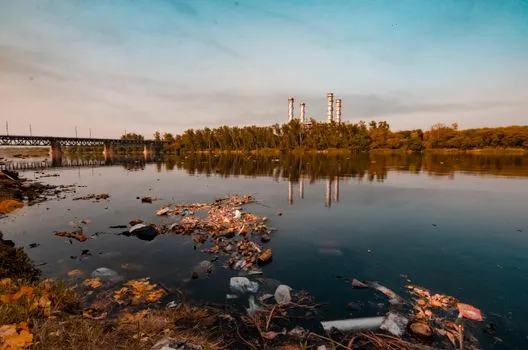
| Lakes with algal blooms | 100,000+ |
| Large lakes with increasing blooms | 66% |
| N₂O warming potential vs CO₂ | 273× |
Agriculture’s Thirst
Agriculture accounts for 72% of all freshwater withdrawals globally. Some 25% of the world’s population depends on groundwater that is being pumped faster than nature can replenish it. Across the planet, 66 countries allocate more than 75% of their water to agriculture, leaving little margin for drought, population growth, or ecosystem needs.
Day Zero
Day Zero—the moment a major city’s taps run dry—could emerge as early as
2030. By 2050 an additional 1 billion people will face extreme water stress, and 100% of the MENA region’s population will live under extreme stress. The annual financing gap to avert this crisis stands at $140.8 billion.
Sources
- UNU Global Water Bankruptcy Report
- UN News — Global Water Bankruptcy
- WHO/UNICEF Water Report 2025
- World Bank Global Water Report
- Nature — Rapid Groundwater Decline
- Nature Communications — Day Zero Drought
- NOAA — 2024 Gulf Dead Zone
- UNEP — Nitrogen Pollution
- Science Advances — Planetary Boundaries
- FAO AQUASTAT